

Someone Wants the 900 MHz Band.
Here's What That Means for You.
There is a band most hams have never transmitted on, shared with your electric meter and your garage remote, and a company has asked the FCC for most of it. In plain English, here is the fight.
Ask a room full of hams what they do on 33 centimeters and most of them will look at you blankly. It is not a band people talk about. There are no big contests on it, the radios are uncommon, and plenty of licensees have never keyed up there in their lives.
That is exactly why it is worth paying attention right now. A company called NextNav has asked the Federal Communications Commission to rebuild the 902 to 928 MHz band around a new high-power service of its own. If the FCC says yes as filed, most of that band changes character permanently, and the amateur service is not the only thing living there.
None of what follows requires an engineering degree. It is a story about who is allowed to use a stretch of airwaves, who has to move over for whom, and what happens when somebody asks to change the seating arrangement.
What Was Actually Requested
NextNav filed its petition on April 16, 2024. The company’s pitch is that America needs a backup for GPS, on the reasonable argument that an awful lot of modern life quietly depends on GPS timing and would fall over if it were jammed or lost. That part is a real problem worth solving.
The question is what they are asking to be given in order to solve it. Stripped of the regulatory language, the petition asks the FCC to do four things.
Carve the band into two big blocks for their use. Five megahertz at the bottom, from 902 to 907, paired with ten megahertz at the top, from 918 to 928. Everyone else currently spread across the band would be pushed into the eleven megahertz left in the middle.
Trade their existing licenses for one nationwide license. They hold roughly fourteen megahertz of licensed spectrum today under an older, more restricted service. They want to swap it for a single nationwide fifteen megahertz license with far more freedom in how it is used.
Add new permissions to the band. Specifically, the rulebook entries that would allow ordinary high-power mobile and fixed operations, plus a brand new service category for positioning and timing.
Delete the rule that protects everybody else. This is the one that matters most and gets the least attention. Today, a licensee in this band has to demonstrate by actual field testing that its system does not cause unacceptable interference to the unlicensed devices sharing the band. NextNav has asked for that requirement to be removed.
Put plainly: the band today is a low-power neighborhood where nobody gets to shout. The proposal turns roughly two-thirds of it into high-power, exclusive territory, and removes the rule that currently forces the loud tenant to prove it is not stepping on anyone.
This Band Is Busier Than You Think
If the 33 centimeter band feels empty to you, that is because you are listening for voices. It is packed with machines.
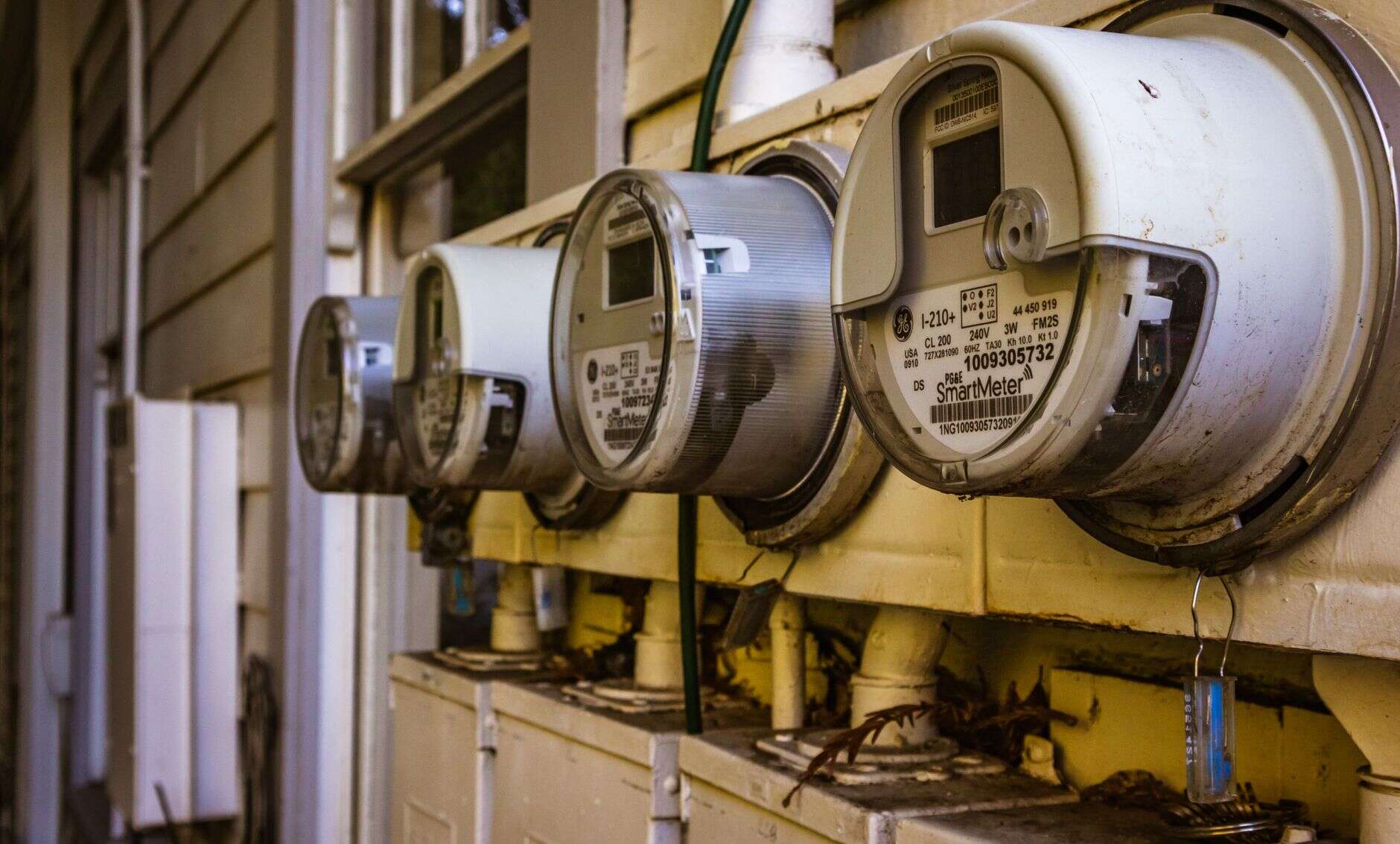
The electric meter on the side of your house very likely talks on this band. So do an enormous number of alarm sensors, home automation devices, wireless doorbells, tire pressure monitors, warehouse inventory tags, electronic toll transponders and cordless gadgets of every description. The utility industry alone has well over a hundred and sixty million smart meters deployed, along with the equipment that watches and controls the grid behind them.
It is also where the LoRa mesh networks live. If you have been following the MeshCore and Meshtastic conversation, those little off-grid text radios operate right here, in the same 902 to 928 MHz stretch, as unlicensed devices.
And then there is us. Amateurs have 902 to 928 MHz available in this part of the world, and hams use it for repeaters, for links between sites, for amateur television, for weak signal work, and increasingly for mesh data networking.
That crowd is the reason this proposal drew such a large and strange coalition of opponents. In June 2026, sixty organizations signed a single letter asking the FCC to reject it. Retailers, electric utilities, the alarm industry, toll road operators, airlines, trucking associations, the Wi-Fi Alliance and the US Chamber of Commerce do not often find themselves filing on the same side as amateur radio. Here they did.
Why "Secondary" Is the Word That Matters
Radio spectrum works a bit like a rental property with a strict pecking order, and where you sit in that order decides everything about your rights.
On most of our bands, amateurs are a primary user. We are the tenant. If somebody else causes us interference, that is their problem to fix.
On 33 centimeters we are secondary, and the difference is not subtle. The rules say amateur stations there must not cause harmful interference to certain other users, and must accept interference from them. Federal government radiolocation comes first. So does a licensed commercial service in the band. We are guests, and we have no standing to complain about the noise.
Unlicensed devices, which is most of what is actually in the band, sit even further down. They get no interference protection at all, by design.
So how does any of it work today? Because everybody is quiet. The band functions as a shared space precisely because nobody in it is running big power, and because of that field testing rule protecting the unlicensed devices. Remove those two things and the arrangement stops working, not through malice but through physics. A high-power transmitter that is legally entitled to be there will simply drown the quiet users out, and none of them will have any legal remedy at all.
There is one more wrinkle worth knowing, because it is easy to miss. Amateurs already cannot transmit at all from a chunk of Texas and New Mexico around the White Sands Missile Range, and there are power restrictions nearby and additional limits in parts of Colorado and Wyoming. This band has never been ours in the way 20 meters is ours.
Nothing Has Been Decided Yet
This has been grinding along for more than two years, and as this is published the FCC has not granted it, has not denied it, and has not yet opened the formal rule-writing stage. Here is the short version of how it got here.
| When | What happened |
|---|---|
| April 2024 | NextNav files its petition asking the FCC to rebuild the band. |
| August 2024 | The FCC opens it for public comment as WT Docket 24-240 and asks specifically whether amateurs would be affected, and what relocating anyone would cost. |
| September 2024 | Around 1,700 filings arrive. The ARRL files formally against it, arguing the band is already crowded with millions of devices and that high-power operation would push amateurs out. |
| March 2025 | The FCC opens a separate, broader inquiry into GPS backup technologies generally, and states plainly that it takes no position on the NextNav petition. |
| May 2025 | The ARRL files again, arguing existing users of the crowded band should not be disrupted. This is the most recent public ARRL statement we could find on the subject. |
| Late 2025 | The security and alarm industry publishes an interference study concluding the proposal would compromise large numbers of existing devices. Public safety organizations file a joint opposition. |
| March 2026 | The FCC sends a draft rulemaking to the White House regulatory review office. This is the step that usually comes before a formal proposal is published. |
| April 2026 | A House committee adds language to a spending bill that would block the FCC from spending money to reconfigure this band for high-power use. Important: that is a proposal in a bill, not law. |
| June 2026 | Sixty organizations sign a joint letter urging rejection. Industry analysts publicly expect the FCC to issue a formal proposal soon. |
| August 2026 | SpaceX files in support. Congressional negotiation over the blocking language is still unresolved. |
Check this yourself before you repeat it
Regulatory stories go stale faster than almost anything else we write about, and this one has moved several times already. Everything above was verified at the time of writing, and the most recent activity we could confirm was in August 2026.
The FCC publishes the whole docket publicly. If you want to know what has happened since, look at WT Docket No. 24-240 in the FCC's Electronic Comment Filing System and sort by date. That is the actual record, not somebody's summary of it, including ours.
What Hams Would Actually Lose
Be honest about the scale of it. If you have never used 33 centimeters, the direct loss to your own operating is zero. The ARRL’s case is not that every ham would notice tomorrow. It is that a working shared band would stop working, and that what gets built there now would have nowhere to go.
Repeaters and links. There is a real and slowly growing population of amateur repeaters and point-to-point links on this band, often used precisely because it is quieter and less congested than 2 meters or 70 centimeters.
Amateur television and weak signal work. Both need a low noise floor. Neither survives a continuous high-power signal nearby.
Mesh data networking. Amateur mesh networks, the kind clubs build for emergency communications, lean heavily on this band. So do the unlicensed LoRa mesh networks that a lot of hams have been putting up this year.
Room to experiment. This is the intangible one and probably the most important. Bands that are quiet and lightly used are where people try things. Squeeze the band down to a middle slice with a loud neighbor either side, and that stops.
And for everyone else in the band, the unlicensed devices have no protection to lose in the first place. If the field testing requirement goes away, they simply have to live with whatever happens. That includes the mesh node on your windowsill.
Your Comment Is Public Record
There is no formal comment deadline open at the moment. The original rounds closed back in 2024. But the docket itself stays open, and interested parties have been filing in it continuously ever since, which means you can too.
The moment that actually counts is still ahead. When the FCC publishes its formal proposal, a fresh comment window opens, and that is when public input carries real weight. Given that a draft went to the White House review office in March 2026, that could happen at any time.
If you want to file, look up WT Docket No. 24-240 on the FCC’s Electronic Comment Filing System. There is an express option for short comments. A few things worth knowing before you do:
Write about what you know. A short, specific, factual comment from someone who actually operates on the band is worth more than a long one full of outrage. If you run a 33 centimeter repeater, say so and say what it does.
Keep it civil and keep it technical. These filings become permanent public record with your name on them. The ones that get cited are the ones that read like evidence.
Do not pretend the other side has no case. The vulnerability of GPS is a genuine national problem. The argument against this petition is not that GPS backup is a bad idea. It is that this particular way of paying for it takes a working shared band away from a very large number of existing users, and removes the one rule that keeps the sharing honest.
Questions People Actually Ask
I have never used 900 MHz. Why should I care?
Two reasons. The practical one is that your mesh nodes, your alarm sensors and quite possibly your electric meter are all in that band whether you transmit there or not. The other is precedent. A secondary allocation that nobody defends is the easiest kind to lose, and we hold a lot of secondary allocations.
Is this a done deal?
No. As of writing there is no FCC decision and no formal rule proposal, and there is significant organized opposition from industries far larger than amateur radio. It is also not dead. Treat anyone who tells you either extreme with suspicion.
Would my MeshCore or Meshtastic node stop working?
That is the risk. Those devices operate unlicensed, which means they have no protection from interference at all and no legal recourse if they get swamped. The rule NextNav asked to delete is the main thing currently standing between them and a much louder neighbor.
Has the ARRL actually done anything?
Yes. They filed formally against the petition in September 2024 and filed again in May 2025 in the related inquiry. May 2025 is the most recent public statement from them on this that we could locate, which is worth knowing if you were expecting more recent news.
Isn’t a GPS backup a good idea?
Honestly, yes. An enormous amount of infrastructure depends on GPS timing and has no fallback, and that is a real vulnerability. The disagreement is not about whether the problem is worth solving. It is about whether this band, and these particular rule changes, are the right price.
Does Congress blocking it settle the matter?
Not yet. A committee approved language that would stop the FCC from spending money on it, but that is a step inside a spending bill, not a law. Bills change and riders get dropped. It is a signal, not a conclusion.
Curious About What's Already in That Band?
The LoRa mesh networks living at 902 to 928 MHz are the fastest growing thing in the hobby right now, and our plain English guide explains what they are and whether one is worth your time. The free tools are here too, all in your browser, nothing to install.